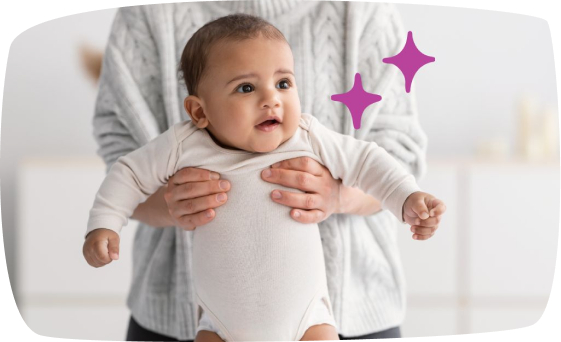
Wondering when your baby is old enough for a babysitter? While there’s no single “right” age, short and gradual separations are possible even in the early months when the babysitter is experienced and routines are respected.
There comes a time for new parents when they need to start working again or want a night out. Hiring a babysitter would be a good option, but when is a baby old enough for their first babysitter? There’s no single “right” age that works for every family when it comes to leaving your baby with a babysitter. But there are a few developmental phases in a baby’s first year that can help guide your decision. So, when is the best time to start? According to pediatricians and psychologists, the period between 4 and 6 months is considered an ideal time to introduce a babysitter.
In this article, we’ll explain why and offer some practical tips to help you understand when your baby (and you!) might be ready for that first little step toward independence.
Does age matter? What pediatricians and psychologists say
According to child development experts, there’s no one-size-fits-all age for leaving a baby with a babysitter. It depends on your baby’s temperament, the babysitter’s experience, and, just as importantly, the emotional readiness of the parent. That said, understanding the typical stages of infant development can provide helpful insights.
0–3 Months: Short separations, taken with care
In the first few months, babies are completely dependent on their primary caregiver. This is when attachment begins to form, breastfeeding is established (if applicable), and sleep-wake cycles start to take shape.
➡️ You may choose to leave your baby with a babysitter before 3 months of age, but this should be limited to short periods and done with great care. Even short absences should be handled gently and gradually, with consistency and sensitivity. Choose someone with extensive experience caring for newborns and maintain close communication.
On Sitly, you can easily filter profiles to find babysitters with newborn experience, First Aid & Infant CPR certification, and read reviews from other families.
4–6 Months: A good time to start gentle separations
At this stage, many babies begin to develop more predictable routines. They sleep longer stretches, eat more regularly, and are generally more adaptable to changes than they were in the newborn phase. This is often the best time to start building a relationship between your baby and a babysitter, someone they can learn to trust through calm, consistent interactions.
➡️ This is often considered an ideal window to introduce a babysitter during the day. Short separations in a familiar environment, combined with a gentle and gradual transition, can help your baby feel secure, even when you’re not in the room.
8–9 Months: A sensitive stage for separation
Around 8 or 9 months, many babies go through a developmental phase known as separation anxiety. This is a completely normal and healthy part of their growth: your baby is beginning to understand that you still exist, even when they can’t see you, but that awareness can bring feelings of uncertainty or distress. Here you can find out more about separation anxiety and strangers anxiety in babies.
➡️ At this stage, leaving your baby with someone new can feel more difficult than it did a few months earlier. Even if your child has already met the babysitter, they may cry, fuss, or become upset during goodbyes.
That’s why gentle, gradual separations are so important. Keep things short to start. Create predictable goodbye routines, such as using the same phrase or object each time you leave, and ensure your return is calm and reassuring.
10–12 Months: More Awareness, More Need for Stability
Between 10 and 12 months, babies start to clearly recognize familiar faces and become more aware when someone leaves. They’re often more sensitive to separation than they were a few months ago — but they’re also more capable of adapting, especially when things feel consistent and safe. This is a good time to build small routines with the babysitter. For example, having her arrive at the same time each day, using a simple goodbye ritual, or repeating a familiar activity together. These little patterns help your baby feel secure and know what to expect.
Every child is different, but understanding these stages can help you make decisions with more confidence and calm. In the end, it’s not just about when you leave your baby with a sitter, it’s about how you do it: with patience, empathy, and care.
Tips for leaving your baby with a babysitter
If you’re thinking about leaving your baby with a babysitter, whether it’s for the first time or just for a short break, remember that age isn’t the only factor to consider. What really matters is how prepared the babysitter is, how your baby responds to new situations, and how confident you feel in making this step. Here are some key points to keep in mind before moving forward.
1. Choose the right babysitter
Not every babysitter is trained or experienced in caring for a newborn — and that’s okay. What matters is finding someone who truly understands infants’ needs. Our guide on How to find the right babysitter for your baby walks you through everything you need to know: from what to look for in a babysitter, to the questions to ask at the interview.
A babysitter with experience caring for newborns may charge a higher-than-average rate. To get a better idea of typical costs, you can also read our article “How Much Does a Babysitter Cost?”.
“Lucas was three months old, and I was completely exhausted. I knew I needed a bit of time for myself. I found a babysitter with great references and experience with newborns. At first, I left him with her while I took a quick shower. Little by little, we extended the time until one day I finally made it to the gym. It went really well, and I finally started to reclaim a little space for myself again.” Laura, mom, and Sitly member
2. Start small: Just step into the next room
One of the most important, and often underestimated, parts of this process is introducing the babysitter to your baby gradually. Just as with the transition to daycare, starting with a babysitter requires a period of gentle adjustment.
On the first day, the babysitter should spend time with your baby while you’re present. From there, you can begin leaving the room for short stretches while they stay together. Once your baby feels comfortable, you can try stepping outside for a brief outing, even just 15–20 minutes at first.
Also, remember that sleep and mealtimes are sensitive moments for a baby. It’s best if the babysitter takes over these routines only after your baby has had time to get familiar with them. These are times when babies need extra comfort, and having a familiar caregiver makes a big difference.
3. How you feel matters too — and your baby feels it
Your baby isn’t the only one going through a big change — you are too. Many parents, especially moms, experience separation anxiety or guilt the first time they leave their baby with someone else. These emotions are completely normal. You’re not alone in feeling this way.
➡️ Even very young babies are sensitive to the emotional tone around them. If the separation happens in a calm and positive way, they’re more likely to feel safe and secure, too. That’s why it’s so important to listen to your instincts and give yourself permission to go slowly.
4. If big changes are happening, wait to add another
Timing matters. Too many changes at once can feel overwhelming for a baby. One step at a time is usually the smoothest path forward. If your baby is already going through another transition, such as starting solids, moving to a new home, or beginning daycare, it’s best to hold off on introducing something new, such as a babysitter.
Take things slow and choose a babysitter with newborn experience. Someone you can trust and who makes you feel completely comfortable. This way, early babysitting will be a positive step for both you and your baby.
Table of contents


FAQs

Yes, it can be safe to leave a baby under 3 months with a babysitter, provided the caregiver is experienced in newborn care. Babies at this age require frequent feeding, close supervision, and calm, responsive care.
For very young babies, parents usually begin with short babysitting sessions of one to two hours. As the baby grows and becomes familiar with the caregiver, the duration can gradually increase.
A babysitter caring for a newborn should have proven experience with infants, knowledge of safe sleep guidelines, and confidence with feeding, diaper changes, and soothing techniques. Clear communication with parents is also essential.
Parents can help their newborn adjust by starting with short separations, keeping routines consistent, and sharing detailed care instructions. Many families also choose a trial session to build trust and confidence.
Short and occasional separations do not negatively affect parent–baby bonding. Bonding depends on consistent, loving care over time, and gradual separations with a trusted babysitter can be part of a healthy routine.


Trusted sitters, right around the corner
Need a little help? Sitly connects you with experienced babysitters in your area. Whether you need occasional or regular care, finding the right babysitter is super easy. Browse profiles, read reviews, and reach out to your favorites right away.

Related Articles

8 Ways to Find a Babysitter Near You
Not sure where to find a babysitter near you? Here are 8 ways to do it, from babysitter platforms and agencies to local referrals, plus specific tips for last-minute, overnight, and newborn care.
Night Babysitter: How to Find One and Tips for a Smooth Night
Need a babysitter who can stay overnight? Here's how to find a reliable night babysitter, what sets a night nanny apart, and what to agree on before the night starts, from pay to house rules.
How to Find a Last-Minute Babysitter Without Stress
Looking for a last-minute babysitter doesn't have to be stressful. Learn how to build an emergency babysitter list, find trusted local sitters quickly, and prepare for unexpected childcare needs before they arise.